
For most people, Basant is remembered as a festival of colorful kites, rooftop celebrations, and the arrival of spring. But for thousands of low-income families in Lahore and across Punjab, Basant has always meant something much more important—it meant work, income, and the opportunity to support their families.
When kite flying was banned for public safety reasons, the skies became empty. At the same time, many workshops closed, home-based workers lost orders, and traditional craftsmen saw their livelihoods disappear. The return of Basant Festival 2026 is therefore not only the revival of a cultural tradition but also a chance to restore economic opportunities for many people connected to the kite industry.
A Festival That Supported Thousands of Workers
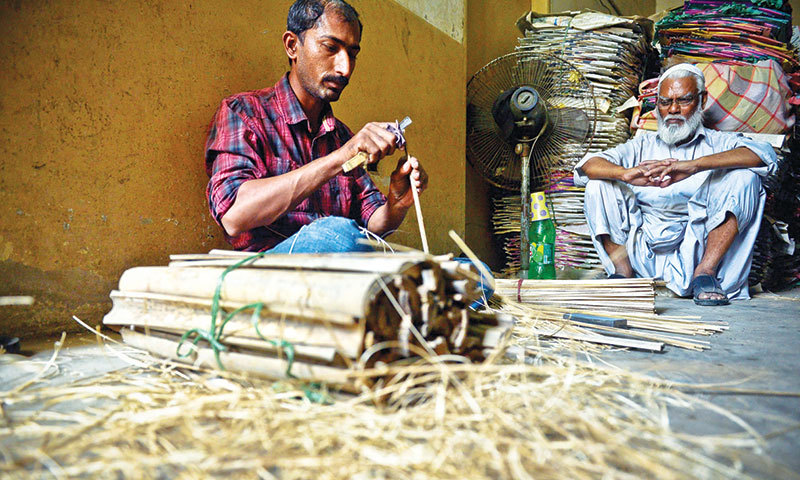
The kite industry has never been limited to shopkeepers alone. Behind every handmade kite are skilled workers who spend weeks preparing each product.
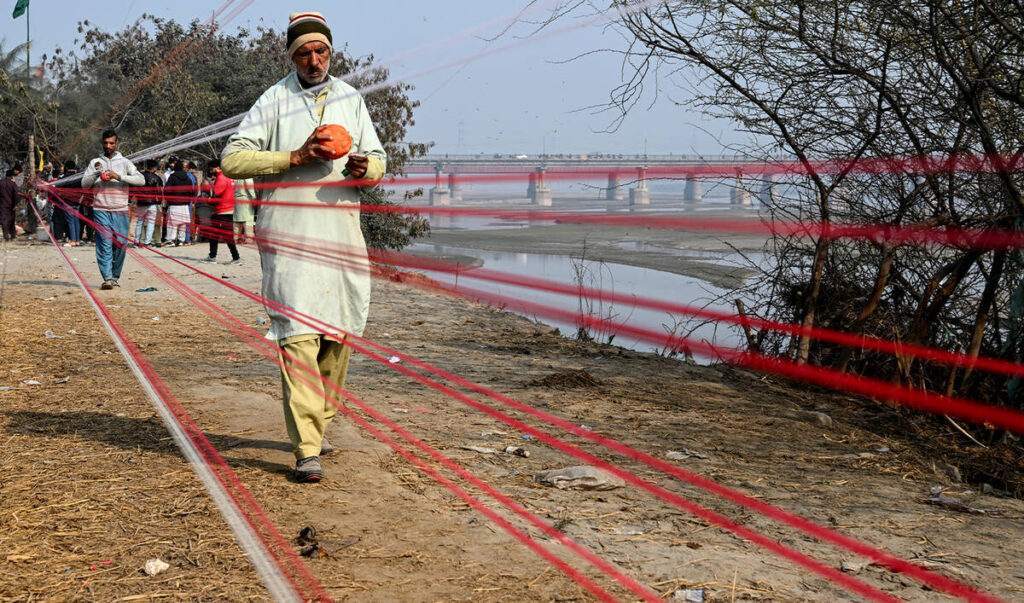
Bamboo craftsmen carefully shape lightweight frames. Paper workers cut and paste colorful designs by hand. Thread manufacturers produce high-quality kite-flying thread. Small retailers, transport workers, wholesalers, and market vendors all become part of the seasonal economy.
Many of these businesses are family-owned and have passed their skills from one generation to another.
The Invisible Workforce Working from Home
Perhaps the biggest contribution came from people who were rarely seen by customers.
Across Lahore and nearby towns, many women worked from their homes preparing kite components. They pasted paper, tied bamboo frames, rolled thread onto reels, packed finished products, and completed many other tasks for local manufacturers.
Because this work could be done from home, it became an important source of income for widows, elderly people, and families with limited employment opportunities.
Every Basant season brought additional earnings that helped families pay school fees, buy household essentials, and manage daily expenses.
What Happened After the Ban?
When kite flying was prohibited, the demand for handmade kites and kite thread declined sharply.
Many small manufacturers reduced production or shut down entirely. Home-based workers who depended on seasonal orders found themselves without work. Some skilled craftsmen left the industry and accepted lower-paying jobs in other sectors, while others retired from the profession altogether.
Years of experience and craftsmanship that had been built over generations were at risk of disappearing.
Although the ban was introduced because of genuine safety concerns related to dangerous metallic and chemically coated strings, its economic effects were felt across the traditional kite-making supply chain.
Basant 2026 Brings Hope
The official revival of Basant in February 2026 has given many traditional businesses a reason to reopen.
Under strict government regulations, only approved materials and licensed manufacturers are permitted to participate. Dangerous kite strings remain prohibited, while authorities have introduced stronger safety measures to reduce risks.
For many small businesses, this means production can begin again. Workshops can receive new orders, retailers can prepare for the festival, and home-based workers once again have opportunities to earn seasonal income.
Although the industry cannot recover overnight after years of restrictions, Basant 2026 represents an important first step.
Supporting Local Craftsmanship
Buying locally produced kites and quality kite-flying thread is about more than enjoying a traditional sport. It supports skilled craftsmen, family businesses, and home-based workers who depend on this industry for their livelihoods.
Every handmade kite reflects hours of careful work and generations of experience. Supporting responsible local manufacturers helps preserve one of Punjab’s oldest traditional crafts while creating employment for those who need it most.
A Future Built on Safety and Tradition
The future of Basant depends on balancing cultural heritage with public safety. By using approved kite-flying materials, following government regulations, and avoiding hazardous strings, the festival can continue safely while protecting the livelihoods of thousands of workers.
Basant 2026 is more than the return of colorful skies over Lahore. It is a reminder that behind every kite is a family, behind every thread is a craftsman, and behind every festival is an entire community whose hard work deserves to be remembered and supported.