
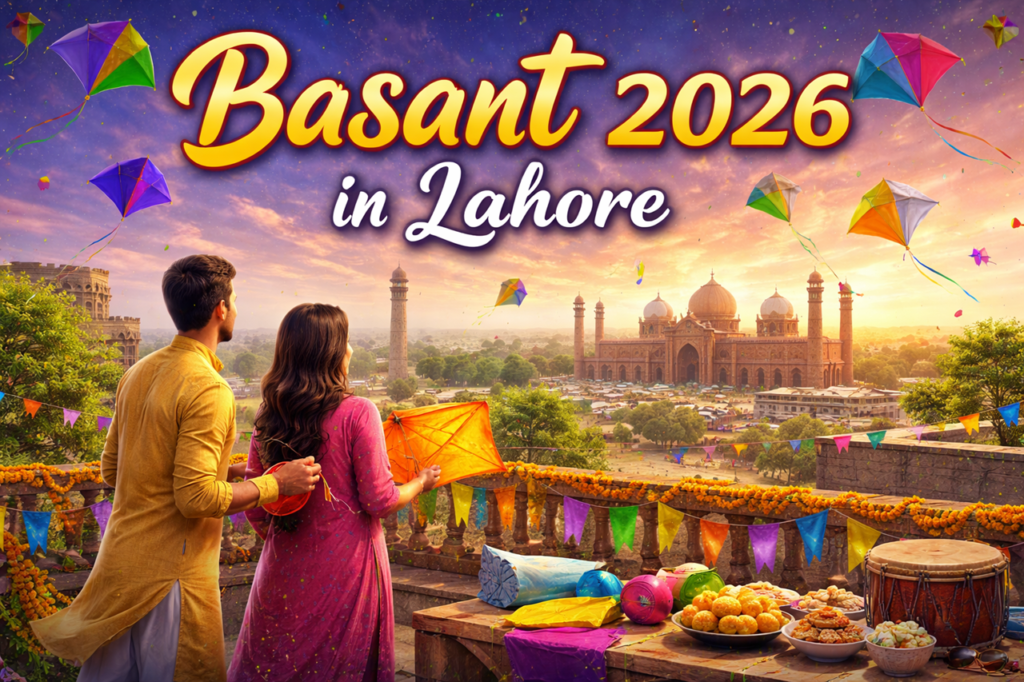
The revival of Basant Festival 2026 was more than the return of a cultural celebration—it marked the revival of an economic ecosystem that supports thousands of businesses and workers across Punjab. While the Punjab Government has not released official figures for the total revenue generated by Basant 2026, economists and business leaders widely recognize that the festival stimulates economic activity across numerous sectors.
From kite manufacturers and thread producers to hotels, restaurants, transport services, retailers, and tourism businesses, Basant creates business opportunities that extend far beyond kite flying itself.
A Festival That Drives Economic Activity
Every major festival contributes to the local economy, and Basant is no exception.
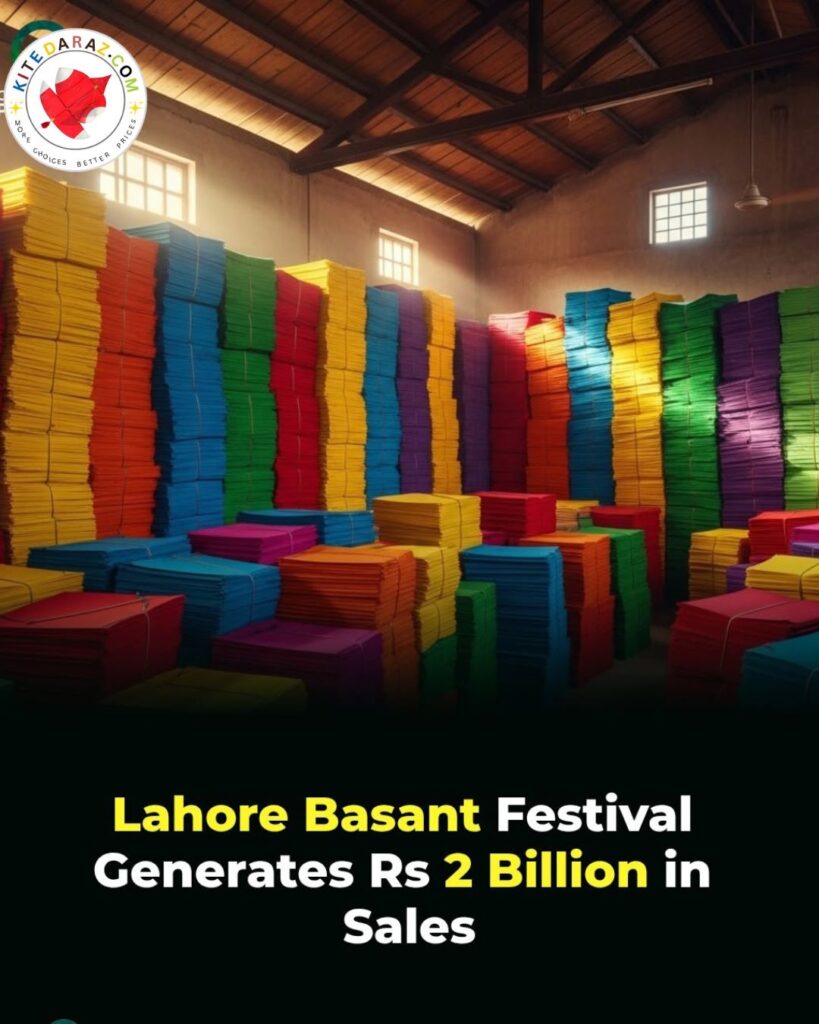
Preparation for Basant begins months before the festival. Manufacturers increase production, wholesalers place large orders, retailers stock their shops, and transportation companies move products across cities.
Money circulates through the economy at every stage of the supply chain, creating income for businesses of all sizes.
Industries That Benefit from Basant
Kite Manufacturing
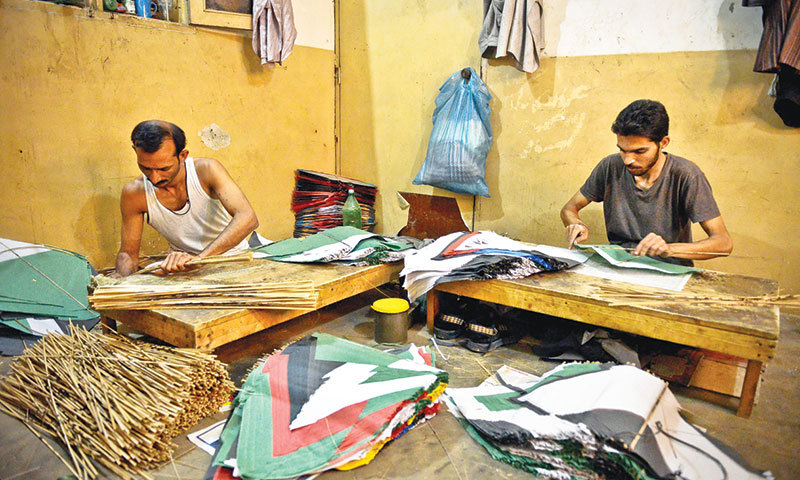
Thousands of handmade kites are produced before the festival. Small workshops employ skilled craftsmen to cut paper, prepare bamboo frames, design patterns, and assemble finished kites.
Kite Thread Industry
Manufacturers of premium cotton kite-flying thread experience one of their busiest seasons of the year. Production increases significantly as retailers prepare for the expected demand.
Businesses that specialize in high-quality kite thread benefit from increased wholesale and retail sales.
Paper and Packaging Industry
Kite production requires large quantities of colored paper, adhesive, labels, cardboard boxes, and packaging materials, creating additional demand for suppliers.
Bamboo and Wood Suppliers
Bamboo sticks remain one of the essential raw materials used in handmade kite production. Increased manufacturing benefits suppliers and traders throughout the supply chain.
Printing Industry
Many manufacturers print logos, packaging, promotional material, and branded labels before the Basant season.
Transport and Logistics
Raw materials and finished products must be transported from factories to wholesalers and retailers throughout Punjab.
Transport companies, delivery services, and warehouse operators all experience higher business activity during the festival season.
Retail Markets
Traditional markets become significantly busier as customers purchase kites, thread, accessories, food, clothing, and other festival-related items.
Local shopkeepers often consider Basant one of the most important seasonal business opportunities.
Hotels and Tourism
Visitors traveling to Lahore during Basant create additional demand for hotels, guest houses, restaurants, cafes, and local transport services.
The revival of the festival also strengthens Lahore’s image as a cultural destination.
How Poor Families Benefit
The biggest beneficiaries are often families that work behind the scenes.
For decades, many women earned income from home by assembling kites, preparing thread reels, cutting paper, tying bamboo frames, and packaging finished products.
This home-based work allowed many households to earn additional income without leaving their homes.
Seasonal employment also benefited daily wage workers, loaders, drivers, market laborers, street vendors, and small shopkeepers who depended on increased customer activity during Basant.
Although comprehensive official employment figures are not available, the kite industry has historically supported a wide network of small businesses and home-based workers across Punjab.
Benefits for the Government
The government also benefits when economic activity increases.
Legal businesses contribute through:
- Sales and business taxes
- Registration and licensing fees
- Increased commercial activity
- Tourism-related spending
- Higher market transactions
- Employment generation
At the same time, regulated manufacturing encourages safer production practices and helps authorities monitor compliance with safety standards.
While no official estimate has been published for government revenue from Basant 2026, increased legal business activity generally leads to higher tax collection and greater economic participation.
Why Basant Matters for Small Businesses
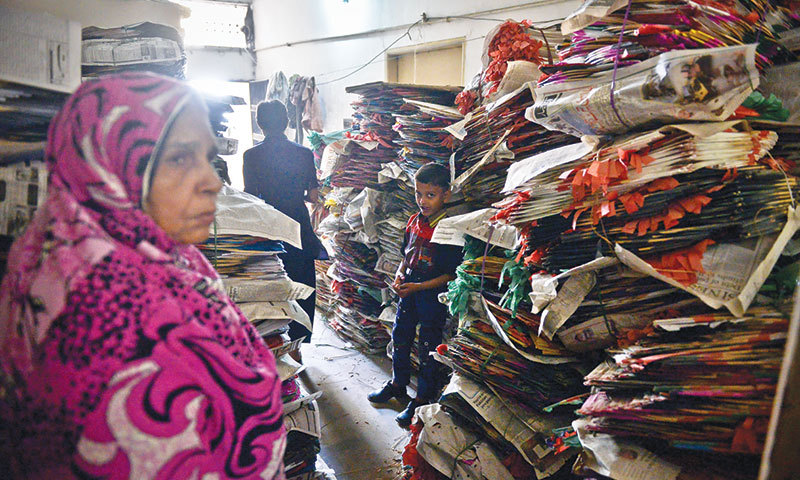
Unlike many industries dominated by large corporations, the Basant economy is driven by small manufacturers, family-owned workshops, neighborhood retailers, and home-based workers.
A single handmade kite passes through many hands before reaching the customer. Each stage supports another family, creating employment throughout the production process.
This makes Basant one of the few traditional festivals that directly benefits thousands of small entrepreneurs rather than only large businesses.
Looking Ahead
The successful return of Basant 2026 has shown that cultural traditions can also serve as powerful economic drivers when managed responsibly.
With strict safety regulations, approved kite-flying materials, and responsible participation, Basant has the potential to strengthen small businesses, preserve traditional craftsmanship, create seasonal employment, and promote tourism in Lahore.
Beyond the colorful kites in the sky, Basant represents opportunity, entrepreneurship, and hope for thousands of hardworking families whose skills have been passed down through generations.
Supporting locally manufactured kites and quality kite-flying thread not only preserves an important cultural tradition but also contributes to the livelihoods of the people who keep that tradition alive.